
Construction dust does not behave like household dust. It is finer, it is heavier, and it gets into places a normal clean never reaches: inside cabinet boxes, along window tracks, on top of door frames and deep in HVAC returns. Clensy's post-construction cleaning is built for that difference, for homeowners finishing a renovation and for builders and contractors handing over a finished job.
The Three Phases of a Construction Clean
Professional construction cleanup is usually done in stages, and knowing which one you need saves time and money:
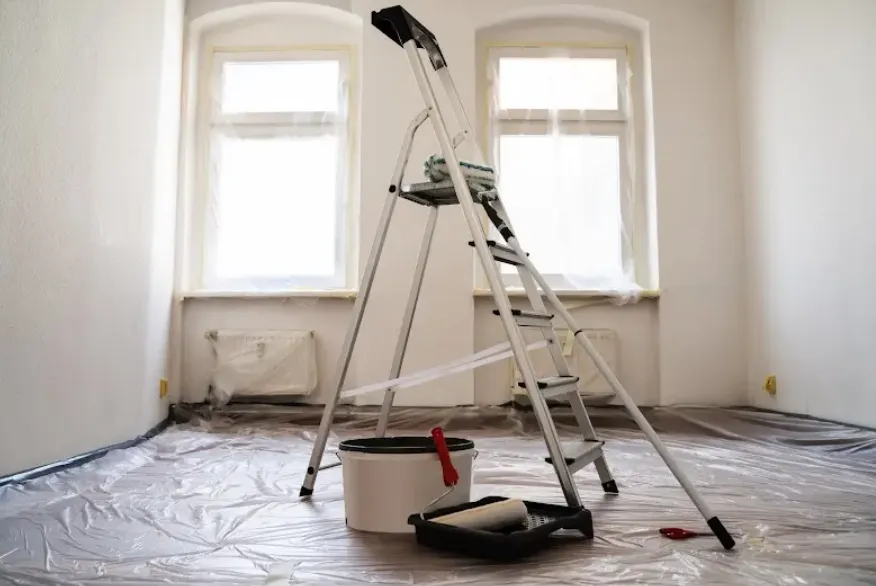
- Rough clean: during the job, after framing, drywall and major trades. Debris, scrap, packaging and loose dust are cleared so finish trades can work
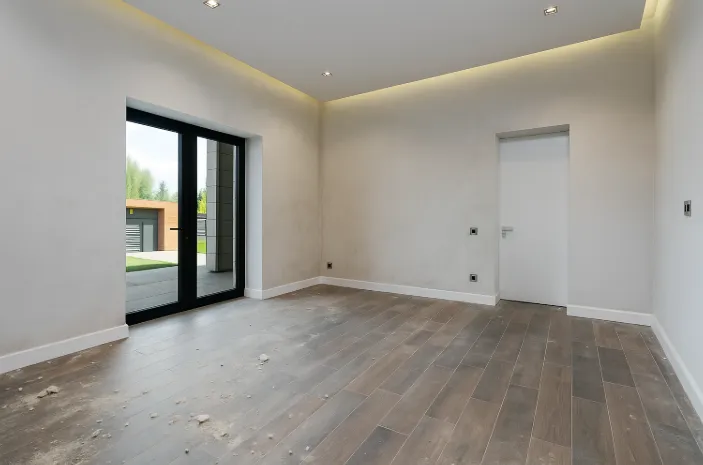
- Final clean: after the last contractor leaves. Every surface top to bottom, inside cabinets and closets, windows and tracks, fixtures, and floors, so the space is ready to live or work in
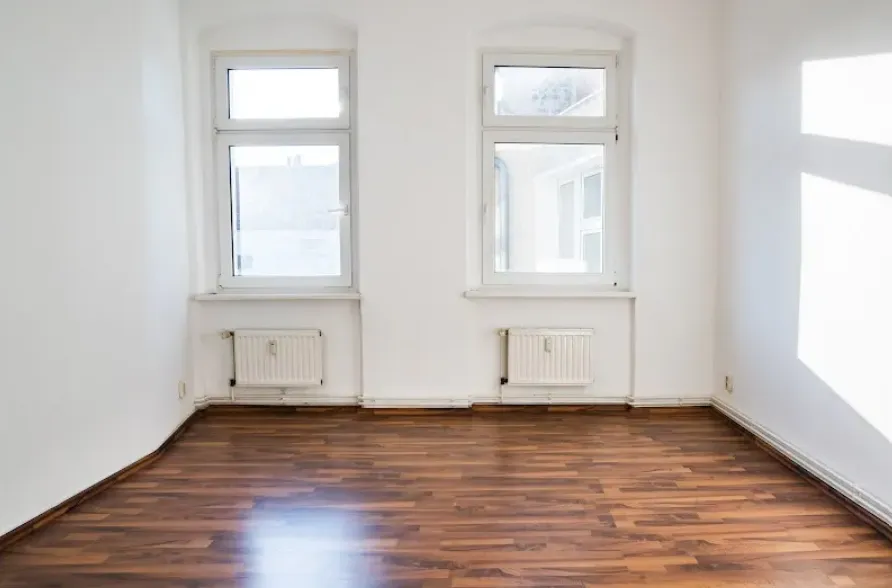
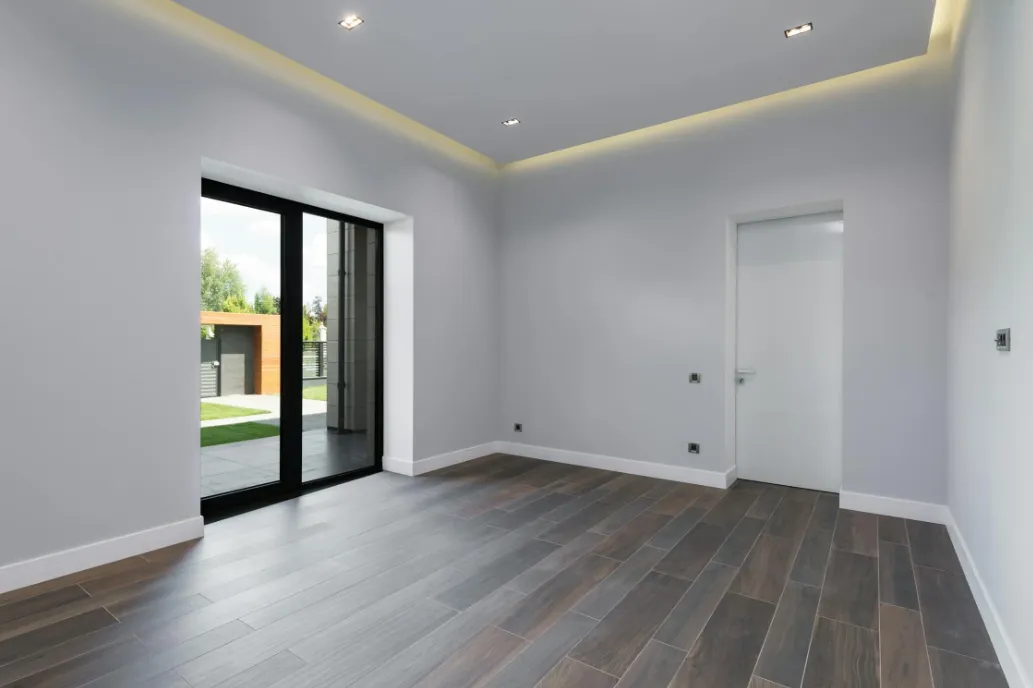
- Touch-up: just before move-in, a walkthrough, or the listing photos. Fingerprints, settled dust and anything the punch list stirred up
Many homeowners only need the final clean. Builders and general contractors often book all three on the project schedule.
What Our Final Construction Clean Includes
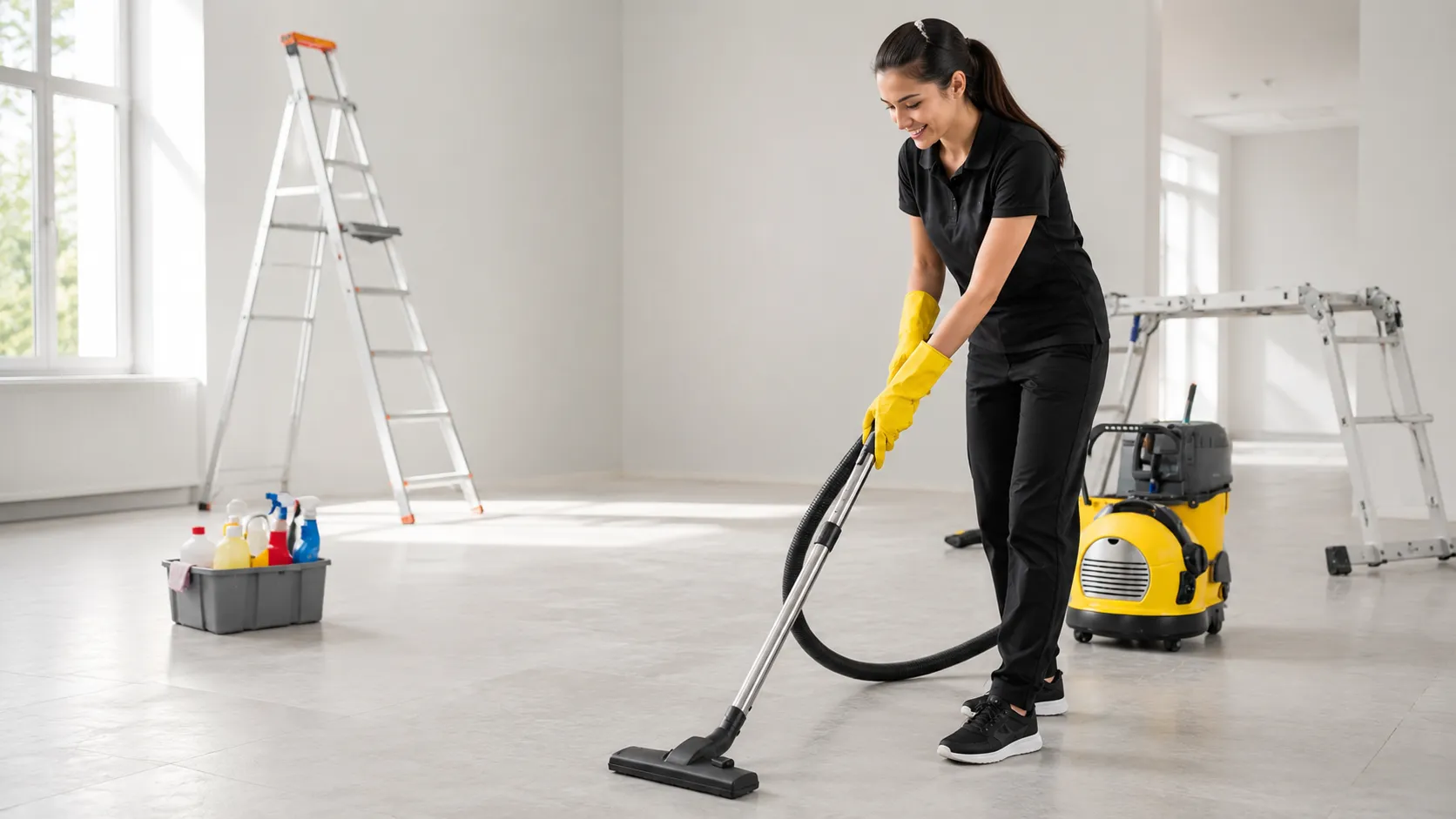
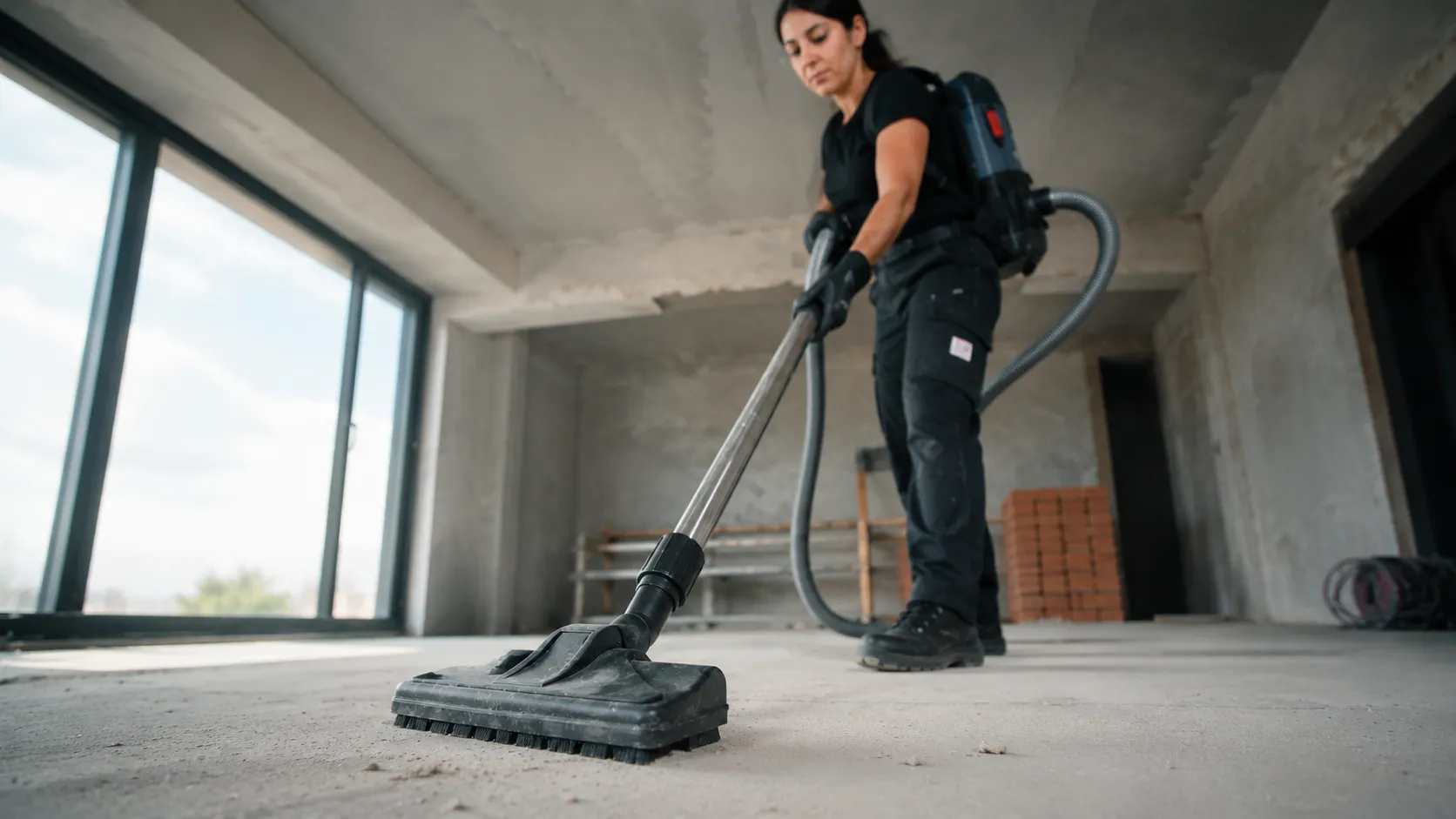
- HEPA-filtered vacuuming of floors, walls, ledges and vents to capture fine dust rather than spread it
- Wiping every surface top to bottom: light fixtures, ceiling fans, trim, door frames and baseboards
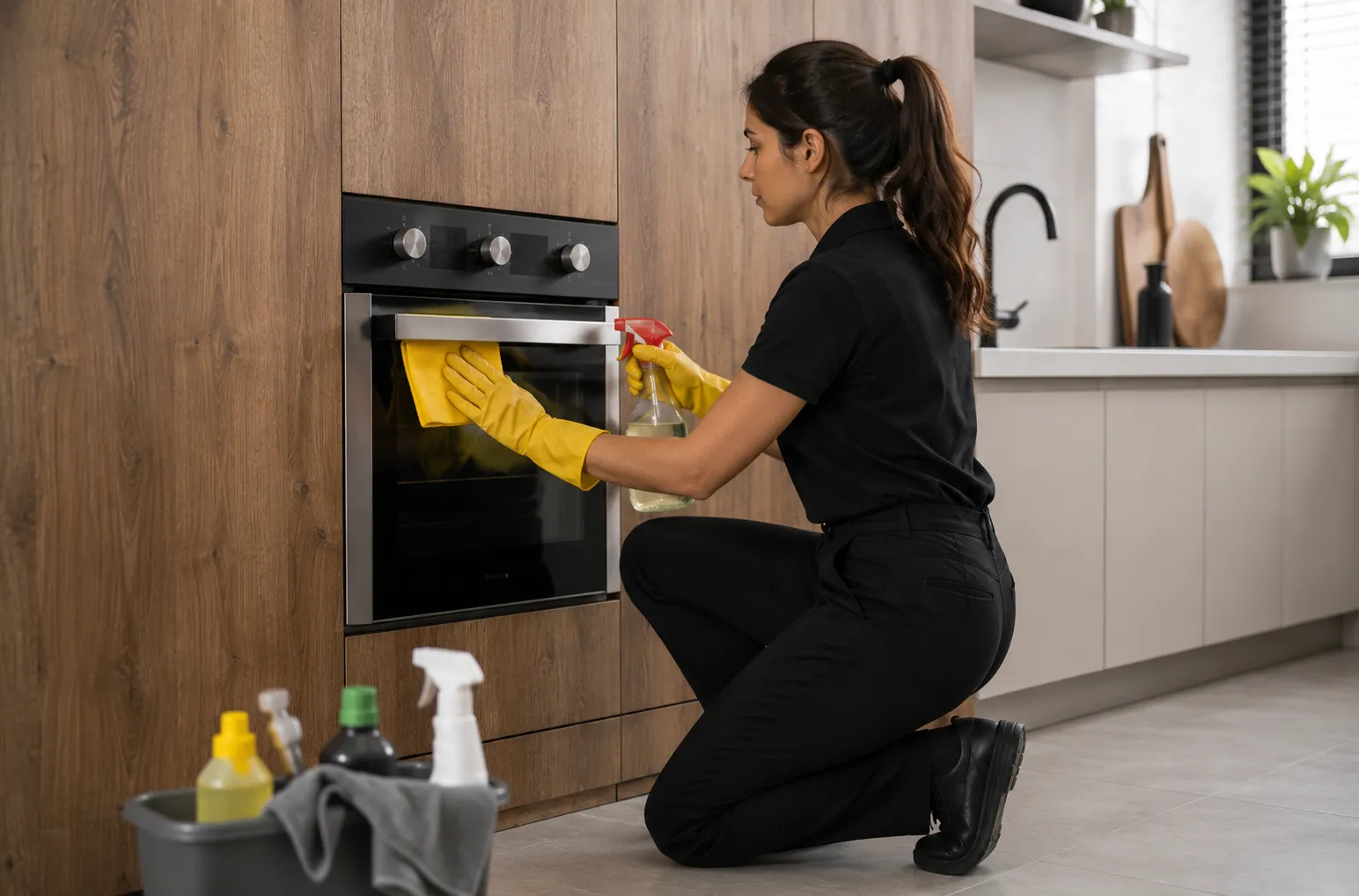
- Inside cabinets, drawers, closets and appliances
- Windows, glass and tracks cleaned of dust, stickers and residue
- Paint, caulk and adhesive residue removed from hard surfaces where it can be done safely
- Bathrooms and kitchens detailed, fixtures polished
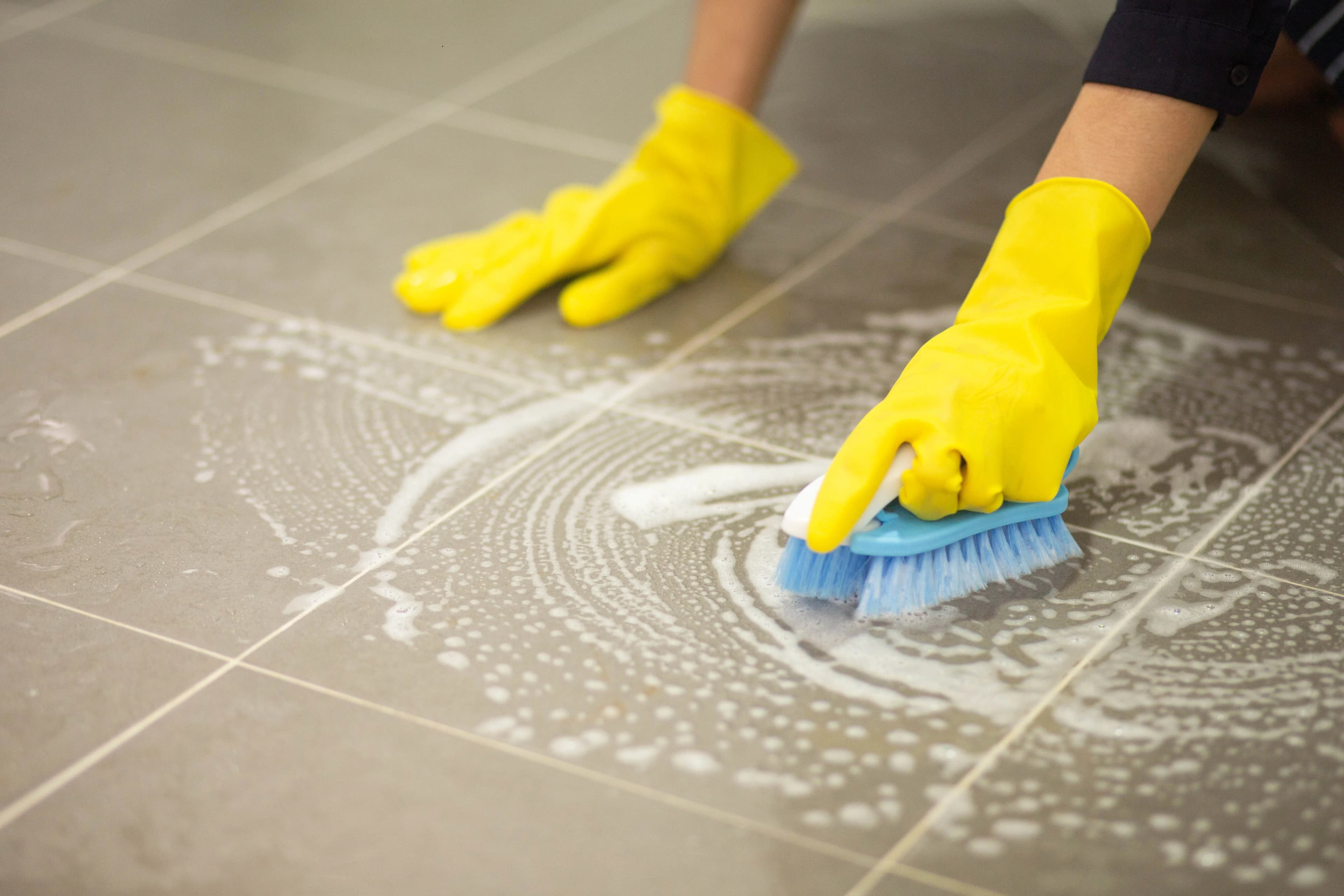
- Floors cleaned with the method your flooring calls for, as the final step
Why Construction Dust Needs a Different Approach
Cutting concrete, tile, stone and drywall produces very fine particles, including respirable crystalline silica, which OSHA regulates on construction sites because of the health risk. Dry sweeping and feather dusting just put that dust back in the air, where it settles again an hour later. We work top to bottom with HEPA vacuums and damp methods so the dust leaves the building instead of moving around it.
One more thing worth knowing: if your home was built before 1978 and the renovation disturbed painted surfaces, federal rules require the renovation firm to follow the EPA lead-safe work practices, including its own cleaning verification. That step belongs to your contractor. We come in after it for the finish clean.
When to Schedule
Book the final clean once all work is complete, including paint, fixtures and inspections, and give the dust 24 to 48 hours to settle after the last trade leaves. Most residential projects take 6 to 12 hours of cleaning time depending on size and condition; larger or commercial projects may need more than one visit. Send us photos or a walkthrough and we will give you a firm estimate.
For Builders, Contractors and Property Owners
We work to your closeout schedule, coordinate with your site supervisor, and can return for a touch-up after the punch list. For commercial fit-outs, offices and retail build-outs, we can roll straight into ongoing service through our commercial cleaning program once the space opens.
Why Clensy for Post-Construction Cleanup
- HEPA vacuums and damp-wipe methods for fine construction dust
- Rough, final and touch-up cleans on your project timeline
- Insured, background-checked crews used to working on job sites
- A firm estimate before we start, from photos or a walkthrough
- Local team based in Fairfield, NJ
Post-Construction Cleaning Near You
We clean up after renovations, additions and new builds across Morris, Essex, Passaic and Bergen counties, including:
- Parsippany
- Denville
- Boonton
- Mountain Lakes
- Morristown
- Florham Park
- Livingston
- Montclair
- Wayne
- Fairfield
- Franklin Lakes
- Ridgewood
See the full list of towns we cover.
Get Your Post-Construction Estimate
Call (862) 386-2557 or request a quote online with the size of the space and where the project stands. We will tell you which phase you need, how long it will take, and what it will cost before anyone picks up a vacuum.